
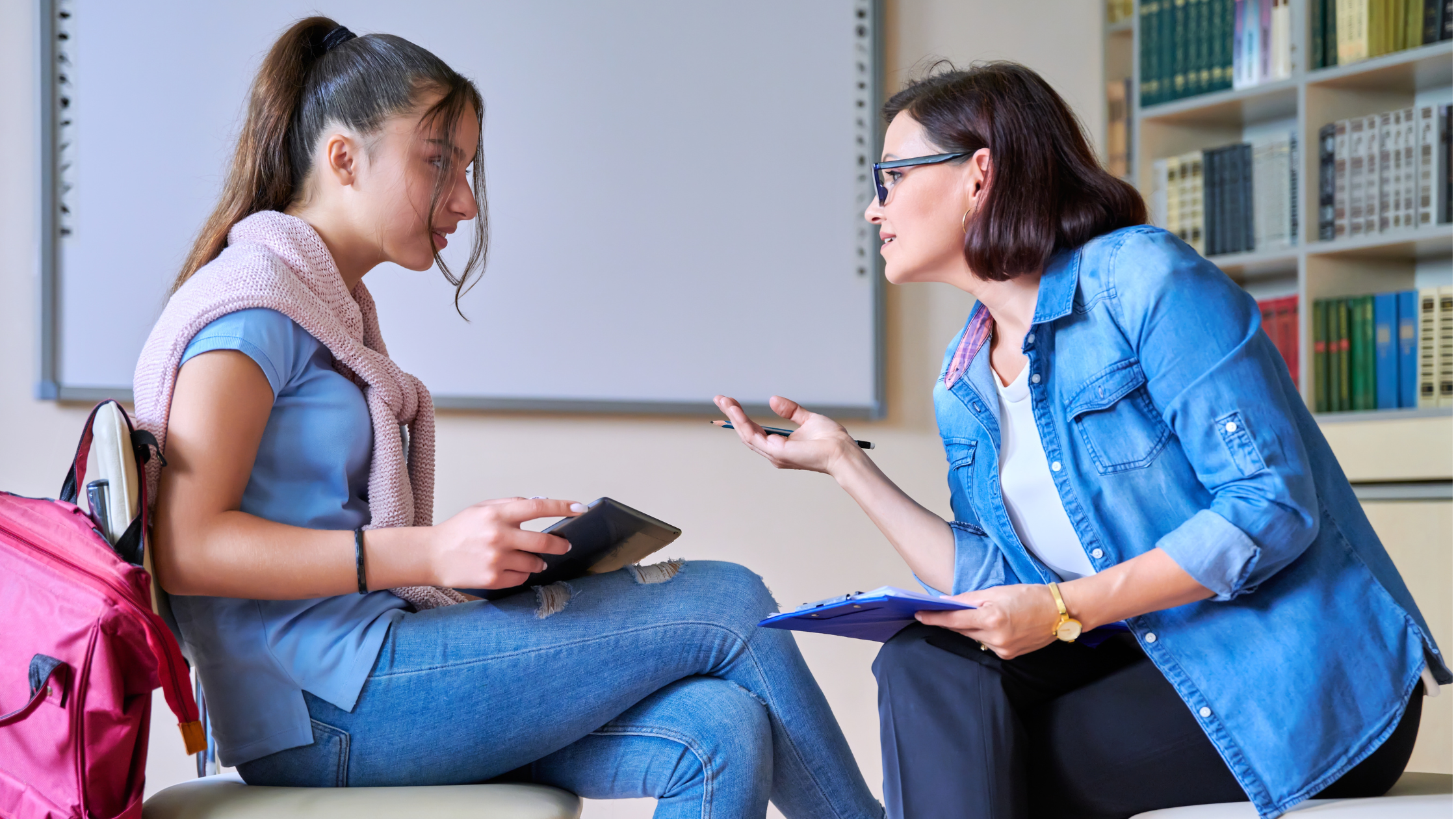
4 Free and Affordable Ways to Support Student Mental Health
In today’s fast-paced academic environment, mental health has become a primary concern for students of all ages. From middle schoolers facing social pressures to high schoolers juggling heavy workloads, the need for support is urgent. According to the National Alliance on Mental Illness (NAMI), 50% of all lifetime mental illness begins by age 14, making early intervention critical.
The good news? You don’t need a large budget to make a life-changing impact. By focusing on "upstream" prevention and community-based support, schools and families can strengthen student wellbeing at no cost.
1. How Can Schools Promote Open Conversations About Mental Health?
Stigma is one of the biggest barriers to students seeking help. Schools can normalize conversation around mental health and create an inclusive school culture without spending a dime by:
-
- Starting Empowerment Clubs: These student-led clubs spread positivity, reduce stigma, and allow students to be leaders in their schools.
- Schoolwide Campaigns: Whole-school initiatives like the "Give Voice" campaign or "Positivity Pledge" spread awareness and promote connectedness.
- Awareness Into Action Activities: Simple, turn-key activities that club members can use to promote positivity, reduce stigma, and educate peers about mental health.
2. How Do You Empower "Trusted Adults" Through Training?
Teachers and staff are on the front lines, but they need the right tools. Training them to recognize the signs and symptoms of depression—such as loss of interest or increased fatigue—is a high-impact, low-cost strategy that prepares them to act as a trusted adult.
-
- Erika’s Lighthouse Staff Training: We offer a series of free training modules that cover signs and symptoms, helping a student, and crisis intervention.
3. What Are Positive Coping Strategies for the Classroom?
Coping strategies help students regulate their emotions and practice good self-care.. These practices can be integrated into the existing school day:
-
- The Mental Health Recharge: Use our free 5-minute classroom "recharges" to give students a brain break.
- Wellness Walks: Encourage outdoor breaks to promote the connection between physical activity and mental clarity.
4. Why Are Healthy Routines Important for Student Wellness?
Small daily habits are the building blocks of mental wellness. Encourage students to focus on:
-
- Sleep Hygiene: Maintaining a regular schedule to support brain function.
- Digital Detoxes: Setting boundaries with social media, especially before bed.
- Whole-Child Wellness: Remind students that nutrition and hydration are "brain fuel" for their mental health.
Together, We Can Make Mental Health Accessible
At Erika’s Lighthouse, our mission is to ensure every student, in every classroom, in every school has access to mental health education. We provide a full suite of programs at zero cost to schools:
-
- Classroom Education: Evidence-informed lessons for grades 4-12.
- Empowerment Clubs: Student-led initiatives to promote a positive school culture.
- Family Engagement: Resources to help parents and caregivers support their children at home.
- Policy & Staff Training: Comprehensive frameworks for school administrators.
By choosing these affordable, proactive strategies, we can ensure that no young person feels alone in their depression.
FAQs
Frequently Asked Questions
Q: How can a school afford these programs on a tight budget?
A: All Erika’s Lighthouse programs—including our curriculum, club materials, and staff training—are 100% free for schools. We believe that a school’s budget should never determine a student’s access to mental health support.
Q: What is the first step to starting a mental health program at my school?
A: The easiest way to start is by creating a free account on our Resource Portal. From there, you can access our Program Catalog and find a dedicated Education Team Member who can help you customize a plan for your specific needs.
Q: Are these resources available for parents too?
A: Yes! Our Family Engagement pillar includes workbooks, workshops, and digital resources designed specifically to help parents start meaningful conversations about mental health at home.

Katie Conklin
Katie joined Erika’s Lighthouse in August 2021. She has a Master’s degree in Human Services and Counseling from DePaul University. Katie has over 20 years of experience working in behavioral health and nonprofit administration. Katie is passionate about mental health awareness in schools and is excited to be a part of the Erika’s Lighthouse team.