
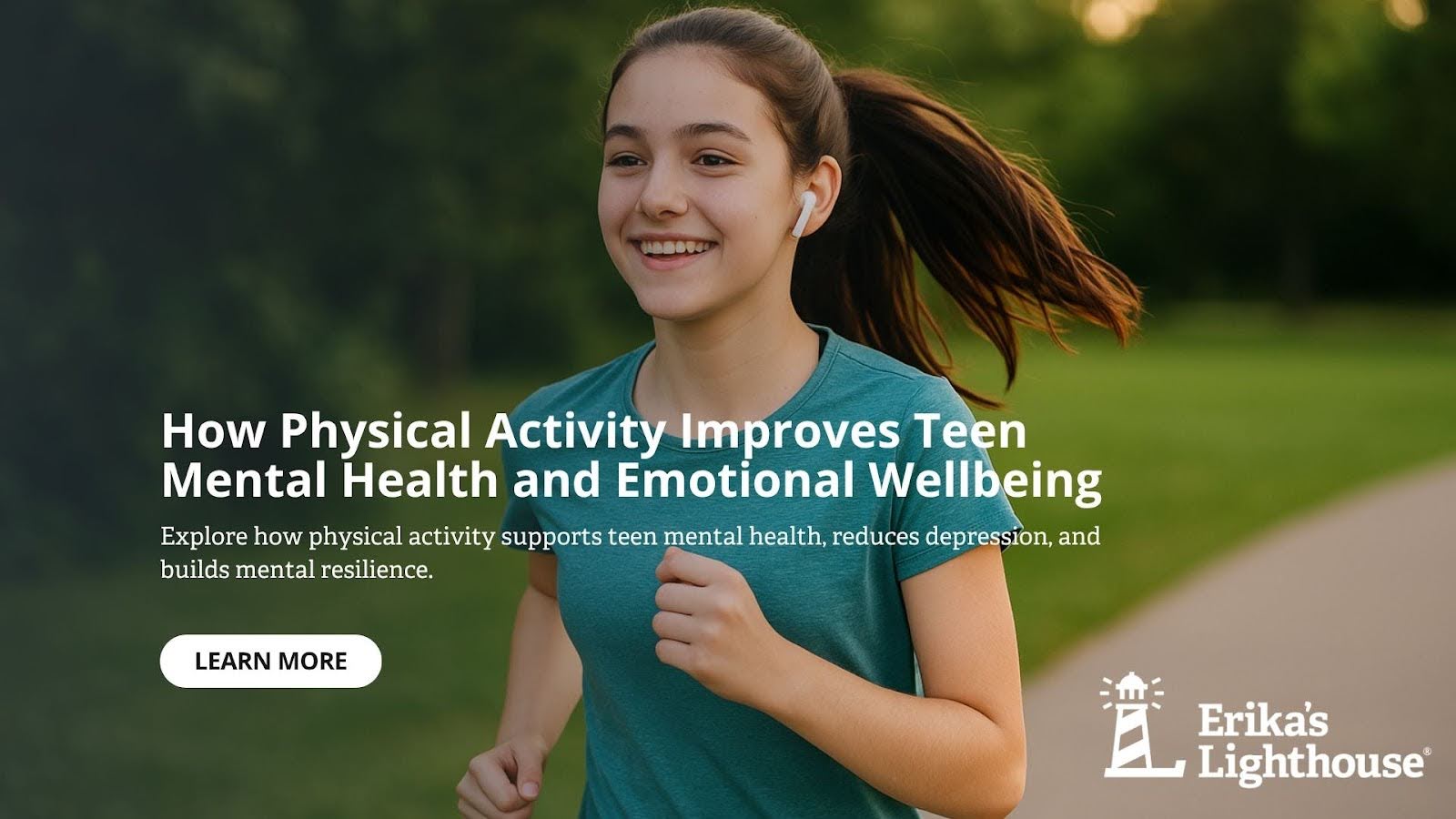
How Physical Activity Improves Teen Mental Health and Emotional Wellbeing
Takeaways
Key Takeaways
- The "Feel-Good" Chemicals: Physical activity triggers the release of endorphins, dopamine, and serotonin, which act as natural combatants against stress and depression.
- Resilience Through Movement: Exercise teaches perseverance and goal-setting—skills that can build resiliency and support good mental health.
- Small Steps Count: As little as 20 minutes of movement a day can have a positive impact on mood and improve sleep patterns.
How Physical Activity Affects the Teenage Brain
When teens engage in physical activity—whether it’s dancing, basketball, or walking the dog—their bodies release neurochemicals that have immediate effects on mental clarity.
According to the American Psychological Association (APA), regular movement leads to:
- Lower Anxiety Levels: Physical exertion helps "burn off" the tension associated with stress.
- Improved Cognitive Performance: Increased blood flow to the brain enhances memory and attention.
- Higher Self-Esteem: Mastering a new skill or reaching a fitness goal provides a sense of agency and control.
The Science of Exercise and Emotional Resilience
Teenagers who move regularly often demonstrate higher levels of emotional resilience—the ability to recover from setbacks and adapt to change.
Mental Health Benefits Supported by Science:
- Reduced Depressive Symptoms: Studies show that regular aerobic activity can be as effective as traditional interventions for mild to moderate depression.
- Regulated Sleep Patterns: Exercise helps balance circadian rhythms, ensuring teens get the high-quality sleep necessary for emotional regulation.
- Stress Management: Movement provides a healthy outlet for the intense emotions often experienced during puberty.
Common Barriers to Activity
Despite the benefits, many teens face hurdles that prevent them from staying active:
- Screen Time: Sedentary habits can be difficult to break.
- Social Anxiety: Some teens feel self-conscious in traditional gym settings or organized sports.
- Overloaded Schedules: High academic pressure often leaves little room for play.
How Erika’s Lighthouse Promotes an Active "Culture of Care"
We believe that physical and mental health are two sides of the same coin. Our Four Pillar Model helps schools integrate movement into the school day:
- Mental Health Recharge: We provide free, 5-minute classroom activities—like stretching and mindful movement—to help students reset their focus without needing a gym.
- Empowerment Clubs: Student-led clubs can organize "Wellness Walks" or "Positivity 5Ks" to make exercise a fun, inclusive, and stigma-free social activity.
- Teen Toolbox: Our self-guided Teen Toolbox encourages students to track their physical activity as part of their personal mental health maintenance plan.
- Family Engagement: We provide parents with resources to help them model healthy behaviors, encouraging families to hike or walk together to build "Trusted Adult" connections.
Getting Started: Consistency Over Intensity
The goal shouldn't be perfection or elite athleticism; it should be finding an activity that your teen genuinely enjoys. Whether it's skating, cycling, or a quick "Recharge" break in the classroom, every movement counts toward bettering their mental health.
FAQs
Can exercise replace therapy for a teen with depression?
While exercise is a powerful tool that can be as effective as some treatments for mild depression, it is most effective when used as part of a holistic plan. We recommend using our Family Workbook to help you and your teen discuss these options with a healthcare professional.
How can I encourage my teen to exercise if they are already feeling unmotivated?
Focus on "low-stakes" movement. Instead of a workout, suggest a 10-minute walk or a "side-by-side" activity like gardening. The goal is to lower the barrier to entry. Our Teen Toolbox has great suggestions for small, manageable self-care steps.
What is a "Wellness Walk" in a school setting?
This is a popular activity led by Erika’s Lighthouse Empowerment Clubs. It’s a non-competitive walk where students and staff come together to raise awareness for mental health, showing everyone that they are not alone and that movement is a form of self-care.