
The Connection Between Nutrition and Mental Health for Children
Takeaways
Key Takeaways
-
The Gut-Brain Connection: About 95% of the body's serotonin—the "feel-good" hormone—is produced in the gut, making digestive health essential for mood regulation.
-
Nutrients as Brain Fuel: Omega-3s, B vitamins, and complex carbohydrates are essential for brain cell communication and emotional stability.
A Holistic Approach: While nutrition isn't a "cure," it is a foundational part of prevention and treatment for adolescent depression and anxiety.
What children eat doesn’t just affect their physical growth; it plays a crucial role in how their brains function, how they feel, and how they cope with stress. Growing evidence shows that nutrition and mental health are deeply connected. For children still developing emotionally and cognitively, this connection is a vital pillar of overall wellness.
The Science Behind Food and Mood
The brain and the gut are in constant communication through the gut-brain axis. Because the gut produces the vast majority of the body’s serotonin, a diet lacking in essential nutrients can lead directly to a decline in mental health.
To support a healthy "second brain," children need:
-
- Omega-3 Fatty Acids: Found in salmon, flaxseed, and walnuts, these reduce inflammation linked to depression.
- Complex Carbohydrates: Whole grains and vegetables provide a steady supply of glucose, the brain’s primary energy source.
- B Vitamins, Zinc, and Magnesium: These are vital for producing neurotransmitters that affect focus and mood.
Conversely, processed foods high in refined sugars can cause blood sugar spikes that trigger mood swings, fatigue, and irritability.
How Poor Nutrition Affects Youth Mental Health
Children who consume diets high in sugar and caffeine may experience increased symptoms of:
-
- Anxiety and impulsivity.
- Emotional difficulties and aggression.
- Poor sleep patterns and chronic fatigue.
Research shows that diets rich in fruits, vegetables, and lean proteins are associated with significantly better emotional well-being. A balanced diet supports emotional stability and improves academic performance, providing a "buffer" against the stressors of school life.
How to Encourage Healthy Habits Early
Parents, caregivers, and schools play a major role in shaping lifelong eating patterns.
-
- Model Healthy Eating: Children are more likely to choose nutritious foods if they see the "trusted adults" in their lives doing the same.
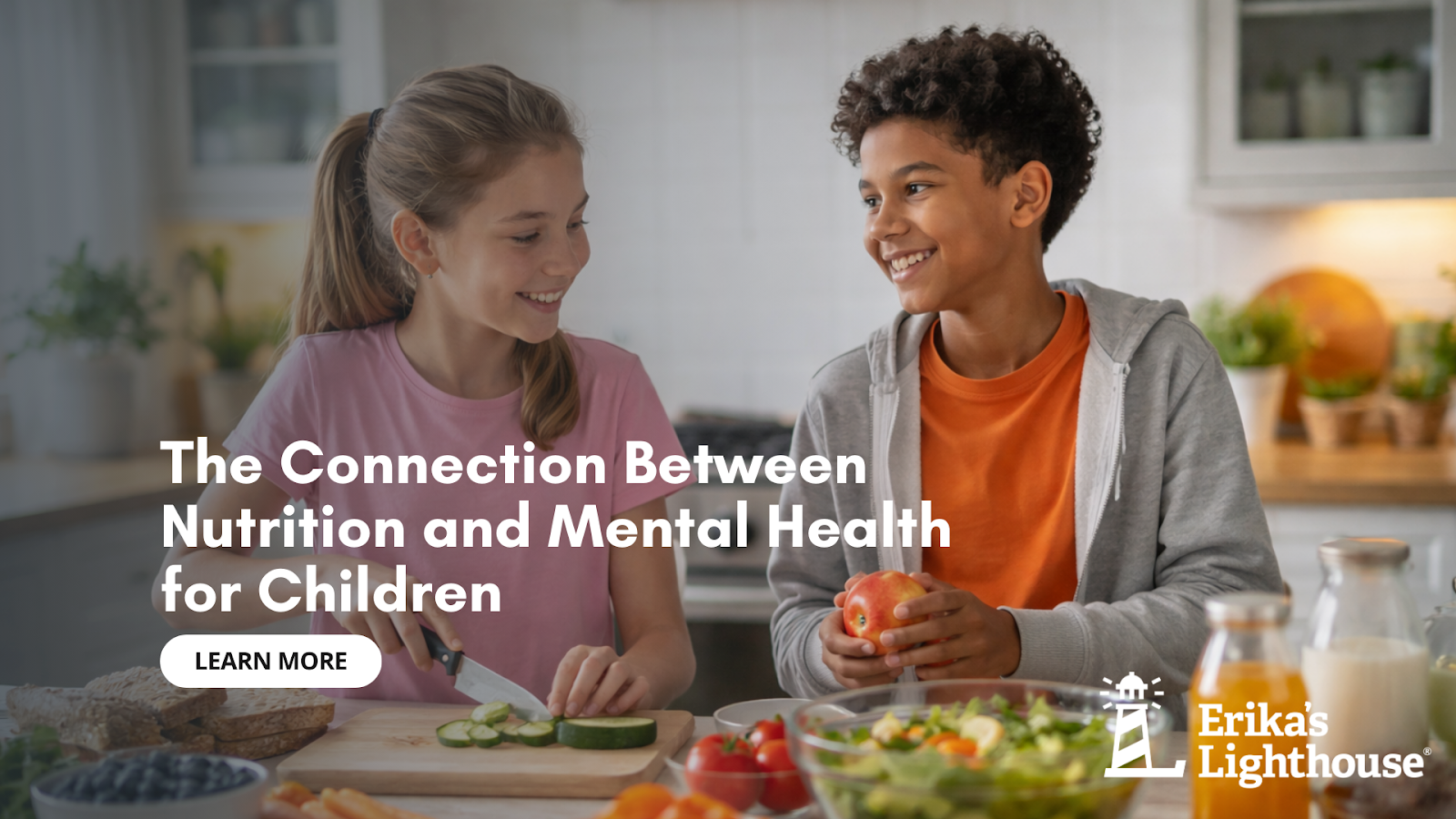
- Involve Them in the Process: Let children help with meal prep to make healthy food feel familiar and exciting.
- Talk About "Fuel," Not Appearance: Shift the conversation to how food helps their brain stay sharp and their mood stay steady.
- Utilize Peer Support: Through our Empowerment Clubs, students can lead school-wide campaigns that promote healthy lifestyles and positive coping mechanisms.
Our Commitment to the Whole Child
At Erika's Lighthouse, we know that mental health does not exist in a vacuum. It is influenced by a student's environment, their relationships, and their physical health.
Our Four Pillar Model helps schools take a proactive, whole-child approach:
-
- Classroom Education: We teach students to recognize the signs of depression and understand the importance of self-care.
- Teen Toolbox: This free resource offers students self-guided tools to manage their wellbeing, including "Recharge" activities that promote healthy habits.
- Family Engagement: We provide parents with the tools to have meaningful conversations about health and wellness at the dinner table.
- Policy & Staff Training: We help schools create a "Culture of Care" where every aspect of a student’s day supports their mental health.
By focusing on prevention and education, we ensure that no child feels alone in their journey toward wellness.
FAQs
Frequently Asked Questions
Q: Can changing a child's diet cure depression? A: While good nutrition is a powerful tool for supporting mental health and reducing symptoms, it is not a "cure" for clinical depression. However, it is a vital part of a holistic treatment plan. We recommend using our Family Workbook to help facilitate conversations between parents, children, and healthcare providers.
Q: How does sugar specifically affect a student's behavior in school? A: High sugar intake leads to rapid fluctuations in blood glucose levels. This can cause "crashes" that result in irritability, difficulty concentrating, and poor emotional regulation—often making it harder for students to manage the social and academic pressures of the school day.
Q: What are "Empowerment Clubs," and how do they help with healthy habits?
A: Empowerment Clubs are student-led groups that work to reduce stigma and promote good mental health within their schools. These clubs often run school-wide campaigns—like the "Positivity Pledge"—that encourage students to practice healthy coping skills, including proper nutrition and sleep.